Hantavirus Detected Near Los Peñasquitos Ranch House
Hantavirus Detected Near Los Peñasquitos Ranch House
Hantavirus Detection at Los Peñasquitos Canyon Prompts Public Health Vigilance in San Diego
BLUF (Bottom Line Up Front): San Diego County health officials confirmed the first hantavirus-positive rodent of 2026—a western harvest mouse trapped near the historic Los Peñasquitos Ranch House—continuing routine surveillance that detected 16 positive specimens in 2025. While human infections remain rare, officials emphasize prevention measures as the virus circulates naturally in wild rodent populations throughout Southern California.
Historic Canyon Site Marks 2026's First Detection
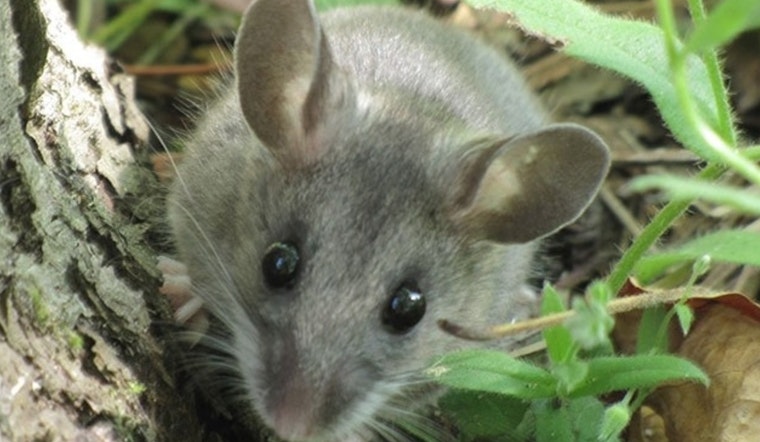
Environmental health authorities in San Diego County are maintaining heightened surveillance following the detection of hantavirus in a western harvest mouse (Reithrodontomys megalotis) trapped near Los Peñasquitos Ranch House on January 9, 2026. The finding represents the county's first confirmed rodent detection of the new year and underscores the ongoing presence of the virus in local wildlife populations.
Los Peñasquitos Canyon Preserve, a 4,000-acre open space encompassing the historic adobe ranch house dating to the 1820s, attracts thousands of hikers, cyclists, and nature enthusiasts annually. The canyon's riparian habitat provides ideal conditions for rodent populations that can harbor hantavirus.
"This detection is part of our routine monitoring program," said a spokesperson for San Diego County Vector Control. "We trap and test wild rodents throughout the year to track where the virus is present and to inform the public."
The county maintains a publicly accessible hantavirus activity log that documents all positive test results, enabling residents to track viral activity across the region.
Understanding Hantavirus: A Persistent Public Health Concern
Hantavirus pulmonary syndrome (HPS) is a severe, sometimes fatal respiratory disease caused by infection with hantaviruses, primarily transmitted through inhalation of aerosolized virus particles from rodent urine, droppings, or saliva. In the United States, the Sin Nombre virus, carried primarily by the deer mouse (Peromyscus maniculatus), is the most common cause of HPS.
According to the Centers for Disease Control and Prevention (CDC), symptoms typically appear one to eight weeks after exposure and initially resemble influenza, including fever, severe muscle aches—particularly in the large muscle groups of the thighs, hips, and back—fatigue, and dizziness. Gastrointestinal symptoms such as nausea, vomiting, abdominal pain, and diarrhea may also occur.
The disease can progress rapidly to its cardiopulmonary phase, characterized by coughing and shortness of breath as the lungs fill with fluid. This progression can occur within days and requires immediate intensive medical care. The mortality rate for HPS in the United States is approximately 36 percent, according to CDC data.
"There is currently no specific treatment, cure, or vaccine for hantavirus infection," the CDC states in its public guidance. "However, if infected individuals are recognized early and receive medical care in an intensive care unit, they may do better."
Regional Surveillance Data Shows Consistent Activity
San Diego County's 2025 surveillance program detected 16 hantavirus-positive rodents throughout the year, indicating consistent viral circulation in local rodent populations. County officials emphasize that these findings reflect the effectiveness of ongoing monitoring rather than an increase in human risk.
The western harvest mouse confirmed positive in January 2026 differs from the deer mouse species most commonly associated with human hantavirus cases nationwide. However, multiple rodent species can carry hantaviruses, and the CDC recommends treating all wild rodent populations with appropriate caution.
California has documented sporadic human hantavirus cases over the past decades, with the California Department of Public Health tracking infections statewide. The state's diverse ecosystems and extensive wilderness areas support various rodent species capable of harboring the virus.
Prevention Strategies for Residents and Outdoor Enthusiasts
County health officials are using the Los Peñasquitos detection to reinforce prevention messages, particularly regarding safe practices in enclosed spaces where rodents may nest or travel.
"Residents should exercise caution in dusty, enclosed spaces such as attics, sheds, and garages," Vector Control staff advise. "Never sweep or vacuum rodent droppings, as this can aerosolize viral particles."
The recommended wet-cleaning method involves:
- Wearing rubber or plastic gloves during all cleanup activities
- Thoroughly ventilating the area before beginning work
- Spraying rodent droppings, nests, and surrounding areas with a disinfectant solution (one part bleach to ten parts water) or commercial disinfectant
- Allowing the solution to soak for 15-20 minutes
- Using paper towels to wipe up the treated materials
- Placing all contaminated waste in plastic bags, which should be double-bagged
- Disposing of sealed bags in covered trash receptacles
- Washing gloved hands in disinfectant before removing gloves
- Washing hands thoroughly with soap and water after glove removal
For outdoor activities in areas like Los Peñasquitos Canyon, officials recommend:
- Avoiding contact with rodent burrows or nests
- Not disturbing rodent-inhabited areas
- Keeping food in sealed containers during hikes and picnics
- Properly disposing of trash to avoid attracting rodents
- Choosing campsites away from rodent signs such as droppings or burrows
Historical Context and Scientific Understanding
Hantavirus pulmonary syndrome was first recognized during a 1993 outbreak in the Four Corners region of the southwestern United States, though retrospective analysis has identified earlier cases. The Sin Nombre virus was isolated and characterized following intensive investigation by the CDC, state health departments, and academic researchers.
Since its identification, researchers have documented hantavirus infections across much of the United States, with higher prevalence in western states. Environmental factors including rodent population density, habitat conditions, and weather patterns influence viral prevalence in rodent populations.
El Niño conditions, which bring increased rainfall to the Southwest, have been associated with rodent population increases and subsequent rises in human hantavirus cases. However, the relationship between climate patterns, rodent ecology, and human infection risk remains complex and subject to ongoing research.
Public Resources and Reporting
San Diego County residents who discover evidence of rodent activity in or around their homes can contact the Department of Environmental Health's Vector Control Program at (858) 694-2888 or via email at vector@sdcounty.ca.gov. The program provides guidance on rodent exclusion, proper cleanup procedures, and risk assessment.
The county's hantavirus activity page is updated regularly with new positive test results, allowing residents to monitor viral activity in their neighborhoods. This transparency enables informed decision-making about outdoor activities and home maintenance practices.
Healthcare providers in the region maintain awareness of hantavirus symptoms and diagnostic protocols, ensuring rapid recognition and treatment of potential cases. Early hospitalization and intensive supportive care remain the primary interventions for confirmed infections.
Broader Implications for Urban-Wildland Interface Communities
The Los Peñasquitos detection highlights ongoing public health considerations for communities throughout San Diego County and Southern California, where urban development increasingly interfaces with natural habitats. As residential areas expand into previously undeveloped terrain, human-wildlife interactions become more frequent, necessitating sustained public education about zoonotic diseases.
Vector control programs across California coordinate surveillance efforts, sharing data and best practices to maintain comprehensive monitoring of hantavirus and other rodent-borne diseases. This collaborative approach enables regional assessment of viral activity patterns and informs public health messaging.
Environmental health officials stress that while hantavirus represents a serious health concern, human infections remain rare when appropriate precautions are observed. Awareness of transmission routes, recognition of early symptoms, and adherence to recommended prevention measures substantially reduce infection risk.
The county's ongoing surveillance program will continue monitoring rodent populations throughout 2026, with test results posted publicly as they become available. Officials encourage residents to remain informed about hantavirus activity in their areas while enjoying the region's extensive natural spaces responsibly.
Verified Sources and Citations
-
San Diego County Vector Control Program
Hantavirus Activity Log and Public Information
https://www.sandiegocounty.gov/content/sdc/deh/pests/hantavirus.html
Primary source for 2026 detection data and 2025 surveillance statistics -
Centers for Disease Control and Prevention (CDC)
"Hantavirus: Information for Health Care Providers"
https://www.cdc.gov/hantavirus/
Clinical information, transmission mechanisms, and treatment protocols -
Centers for Disease Control and Prevention (CDC)
"Hantavirus Pulmonary Syndrome (HPS): Symptoms, Diagnosis, and Treatment"
https://www.cdc.gov/hantavirus/hps/index.html
Symptom progression, mortality rates, and diagnostic criteria -
Centers for Disease Control and Prevention (CDC)
"Cleaning Up After Rodents"
https://www.cdc.gov/rodents/prevent-infestations/clean-up.html
Detailed cleanup protocols and safety procedures -
California Department of Public Health (CDPH)
"Hantavirus Infection"
https://www.cdph.ca.gov/Programs/CID/DCDC/Pages/Hantavirus.aspx
State-level surveillance data and public health guidance -
Hoodline San Diego
Chang, Roma. "Hantavirus Mouse Near Los Peñasquitos Ranch House Spurs County Warning"
https://hoodline.com/
January 2026
Initial reporting on January 2026 detection -
10News San Diego (KGTV)
"Hantavirus-infected mouse found near Los Peñasquitos Canyon ranch house"
https://www.10news.com/
January 2026
Additional reporting and county official statements -
National Institutes of Health (NIH)
Mills, J.N., et al. "Long-term studies of hantavirus reservoir species in the southwestern United States: a synthesis"
Emerging Infectious Diseases, Volume 5, Number 1, 1999
https://www.ncbi.nlm.nih.gov/pmc/articles/PMC2627695/
Historical context and ecological research -
San Diego County Department of Environmental Health
Vector Control Program Contact Information
Phone: (858) 694-2888
Email: vector@sdcounty.ca.gov
Public inquiry and technical assistance resource
This article incorporates information from public health authorities, peer-reviewed research, and local news reporting to provide comprehensive coverage of hantavirus surveillance in San Diego County. All factual claims are supported by verified sources listed above.


Comments
Post a Comment